

 Schedule Service
Common Heat Pump Problems & Expert Repair Solutions Near You
Heat pumps move heat between your home and the outdoors to heat and cool efficiently. When they stop working right, you notice lost comfort, higher energy bills, and the risk of bigger equipment damage. This guide breaks down the most common heat pump problems — from no heat to strange noises, water leaks, and short cycling — and offers practical repairs and safe diagnostic steps you can try at home. You’ll learn simple troubleshooting checks, how to read symptom-to-cause clues, and when it’s time to call a professional to avoid costly failures. The article also covers maintenance steps that extend equipment life and when to bring in a local technician. Keywords like heat pump repair, heat pump troubleshooting, frozen heat pump coils, refrigerant leak heat pump, and heat pump maintenance are used throughout to help you find the right information fast.
Why Isn’t My Heat Pump Heating? Common Causes and What to Do
A heat pump that won’t heat usually has one or more issues with refrigerant, airflow, controls, or electrical components that interrupt normal heat transfer. Troubleshooting starts with simple checks: refrigerant level indicators, airflow through filters and ducts, thermostat settings and power, and defrost operation in cold weather. The fix might be as easy as replacing a clogged filter or resetting a breaker, or it could require a technician to find and repair a refrigerant leak or replace a failing compressor. Knowing the likely causes helps you do safe DIY checks and decide when to schedule professional diagnosis.
Use the quick symptom-to-action table below to narrow down likely causes before calling a technician.
| Problem | Likely Cause(s) | DIY Check | When to Call a Pro |
|---|---|---|---|
| Unit blows cold air | Low refrigerant, stuck reversing valve, or failed compressor | Confirm thermostat mode and setpoint; feel outdoor coil for frost | If the unit is frozen or you hear hissing, call a pro for refrigerant and compressor testing |
| Weak airflow or no heat | Dirty air filter, blocked vents, or failed blower motor | Inspect and replace the filter; check vents and returns for obstructions | If the blower won’t run after power checks, call for motor or control repair |
| Unit won’t start | Tripped breaker, faulty thermostat, or control board failure | Check breakers and the outdoor disconnect; replace thermostat batteries and confirm settings | If electrical tests show faults or breakers keep tripping, contact a pro for safe diagnostics |
| Short cycling | Oversized unit, low refrigerant, or thermostat/control issues | Watch run cycles and check thermostat placement and settings | If the unit keeps turning on and off quickly, schedule a professional inspection |
This table pares down likely causes into actionable next steps — use it to prioritize checks, avoid unsafe handling, and remember that many professional diagnostics require specialized tools.
What Common Problems Cause Heat Pump Heating Failure?
Typical reasons a heat pump won’t deliver heat include refrigerant leaks, compressor or reversing valve failures, airflow restrictions from dirty filters, thermostat misconfiguration, and electrical supply issues. A refrigerant leak often shows as hissing, oily residue, or ice on coils and needs pressure testing and leak repair by a trained technician. Airflow problems usually reduce the temperature difference between supply and return vents and often clear up after replacing filters or removing obstructions. Electrical faults or a tripped breaker can stop the outdoor unit from running at all. In Michigan, heavy frost and defrost-cycle issues can also temporarily disable heating until the defrost control is serviced.
These causes point to a progression from simple homeowner checks to professional service when symptoms persist.
How Professional Repair Restores Heat Pump Heating
Technicians restore heating by running methodical diagnostics — electrical checks, refrigerant pressure readings, compressor performance tests, and control board inspections — then performing targeted repairs like leak sealing and recharge, reversing valve replacement, compressor work, or blower motor repair. A pro will measure superheat and subcooling to confirm refrigerant charge, verify thermostat calibration, and test defrost controls so the system heats reliably in cold weather. Repairs use quality parts and include performance tests to confirm restored capacity and efficiency. Dunham Service offers expert heat pump repair with certified technicians and online scheduling for appointments in Nashville, Charlotte, Hastings, MI, and nearby towns.
Once performance is restored, regular troubleshooting and maintenance help prevent the same problems from coming back.
How to Troubleshoot Common Heat Pump Problems at Home
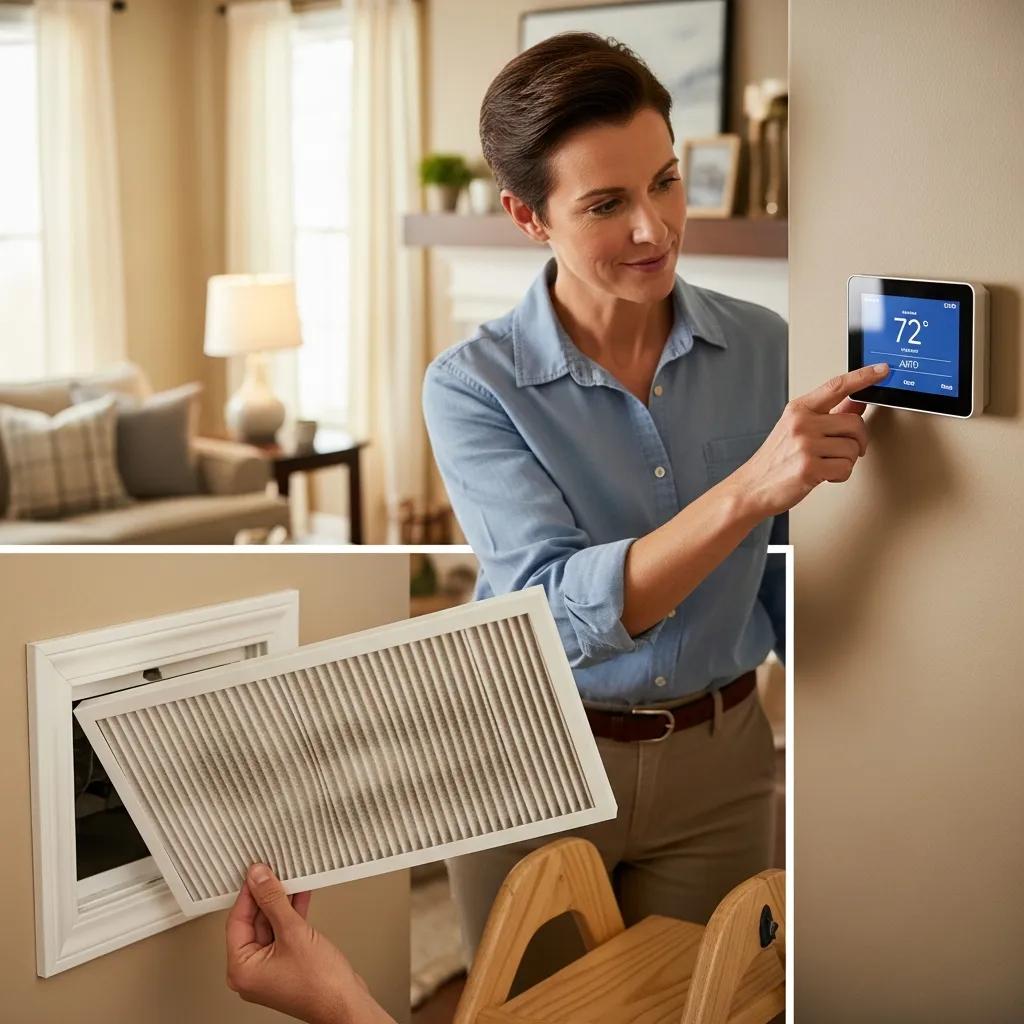
Basic troubleshooting helps you decide whether a problem is a simple DIY fix or needs a technician. Focus first on safety: check power and controls, then airflow and visible mechanical issues. Start by confirming the thermostat is set to heat and the correct mode, check circuit breakers and the outdoor disconnect, and make sure thermostat batteries and wiring look intact. Next, inspect airflow items: clean or replace filters, clear returns and supply vents, and remove debris from around the outdoor unit. Finally, note whether the outdoor unit runs, whether the indoor fan operates, and whether cycles look normal — those observations speed up diagnosis for a servicing technician.
Do these quick checks to avoid unnecessary service calls and to gather useful information for the pro if you need one.
- Verify Power and Thermostat Settings: Make sure the thermostat is in heat mode, set above room temperature, and that breakers are on.
- Inspect and Replace Filters: Pull and examine the air filter; replace dirty filters to restore airflow and efficiency.
- Clear the Outdoor Unit Area: Remove leaves, ice, and debris around the outdoor unit to keep airflow free and reduce compressor strain.
These steps often fix common, non-technical issues and prepare you for the next diagnostic level if problems continue.
Which Simple Steps Help Diagnose Heat Pump Issues?
Safe, simple checks include confirming the thermostat mode and temperature difference, verifying power at the breaker, and visually inspecting filters, vents, and the outdoor unit for ice or debris that could block airflow. While you check, note whether the outdoor compressor runs and whether the indoor blower pushes steady air — those clues matter. If you see ice on the outdoor coils, switch to an appropriate defrost or backup heat mode if available and avoid forcing the system to run nonstop. Collect these observations before contacting a technician so they can prioritize tests and parts.
Clear symptom notes speed up professional diagnosis and reduce downtime when you call for service.
When Should I Call a Heat Pump Repair Expert?
Call a technician when you notice signs of a refrigerant leak (hissing, oily residue, or melting ice), persistent short cycling, a burnt electrical smell, a nonworking outdoor compressor, or when safe DIY checks don’t restore normal operation. Get immediate help for loud grinding or banging, breakers that trip repeatedly, or water pooling that could signal refrigerant or drain pan failure. For homeowners in Nashville, Charlotte, Hastings, MI, and nearby areas, using a local HVAC provider ensures technicians understand cold-weather stresses and local codes. Many companies, including Dunham Service, offer online scheduling and financing to speed repairs.
Quick professional attention in these situations prevents further damage and restores safe, efficient operation.
What It Means When Your Heat Pump Makes Strange Noises
Unusual sounds — rattling, squealing, buzzing, or hissing — usually point to mechanical looseness, motor or bearing wear, refrigerant leaks, or airflow obstructions that need inspection and repair. Rattling often comes from loose panels or debris, squealing can be failing bearings or belt problems, buzzing may indicate stressed electrical components, and hissing frequently suggests a refrigerant leak. Homeowners can safely power down the system and look for loose fasteners, debris caught in the fan, or damaged wiring, but many noise issues require professional tools to diagnose correctly. Identifying the sound source early prevents a small annoyance from turning into a major failure.
Knowing which noises can be handled with a quick action and which need a technician helps you prioritize response.
- Rattling or Clanking: Often a loose panel, mounting hardware, or debris in the fan.
- Squealing or Grinding: Frequently caused by worn motor bearings or failing blower parts.
- Hissing or Bubbling: Can indicate a refrigerant leak and needs immediate professional attention.
These categories guide safe shut-down and when to contact a technician.
Which Noises Point to Specific Heat Pump Problems?
Different noises can help pinpoint failures: constant hissing often indicates a refrigerant leak that reduces heat transfer and needs certified leak detection; high-pitched squealing suggests failing bearings or belt tension issues; deep banging or clunking can mean loose compressor mounts or a failing compressor; and buzzing that coincides with a failure to start could signal a bad relay or contactor, which is a fire risk and needs professional evaluation. Note the noise’s timing, pitch, and whether it happens at startup, while running, or at shutdown to give technicians useful diagnostic details.
Clear noise descriptions speed repairs and reduce unnecessary parts replacement during the service visit.
How Technicians Diagnose and Fix Heat Pump Noise Problems
Technicians use systematic checks — visual inspection, vibration analysis, motor current testing, and refrigerant leak detection — to find the noise source and recommend fixes like tightening panels, replacing bearings or motors, balancing fan blades, securing compressor mounts, or repairing refrigerant leaks. Repairs often include replacing worn parts, resecuring insulation and panels, lubricating where appropriate, and verifying electrical connections to stop buzzing or contactor noise. After repairs, technicians run full warm-up and cool-down cycles to confirm the noise is gone and the system is running efficiently. Follow-up checks help ensure the problem stays resolved.
Scheduled follow-ups and preventive maintenance reduce the chance of noise issues returning.
How to Identify and Repair Heat Pump Water Leaks
Water from a heat pump can be harmless condensate overflow from a clogged drain or a sign of a refrigerant-related leak that melted ice — the source determines urgency and the right fix. Condensate leaks usually come from blocked drains, cracked drain pans, or misrouted condensate lines and show as dripping near the indoor unit. Refrigerant-related leaks often follow frost formation and sudden melt, oily residue, or hissing sounds, and require certified refrigerant leak repair and recharge. Homeowners should inspect visible drain lines and pans, look for oily residues, and avoid running the system if a refrigerant leak is suspected to prevent compressor damage.
The table below helps tell leak types apart and suggests immediate temporary steps versus professional repairs to prioritize safety.
| Leak Symptom | Possible Source (part) | Temporary Fix | Professional Repair Action |
|---|---|---|---|
| Water near indoor unit after heavy use | Clogged condensate drain or trap | Turn off the unit; clear visible debris from the accessible drain | Technician will snake and clean the drain, inspect the trap, and replace damaged sections |
| Pooled water under outdoor unit | Cracked drain pan or improper pitch | Place a bucket and stop the unit if there’s an electrical risk | Replace the drain pan, re-level the unit, and verify condensate routing |
| Melting ice with oily residue | Refrigerant leak at a coil or line | Stop operation and ventilate the area; avoid direct contact | Perform leak detection, repair or replace coil/lines, and recharge refrigerant |
This helps prioritize: condensate issues are often fixed with cleaning, while refrigerant leaks need immediate professional attention.
What Causes Water Leaks in Heat Pumps?
Common causes include clogged condensate drains from dust and biological growth, cracked or corroded drain pans, disconnected or misrouted condensate lines, and refrigerant leaks that cause ice build-up that later melts during defrost cycles. Poor maintenance raises the risk of condensate blockages and pan damage, while older coils and fittings can develop refrigerant leaks that show up as intermittent dripping and lost efficiency. Inspecting the drain pan and noting whether leaks line up with defrost cycles helps find the root cause quickly.
Spotting these causes lets homeowners do targeted checks and informs the correct repair approach.
Expert Repair Solutions for Heat Pump Leaks
Repair depends on the source: a technician will clear or replace clogged condensate lines, swap out corroded drain pans, re-level and seal piping to stop pooling, or run refrigerant leak detection and repair followed by a proper recharge and performance check. For refrigerant leaks, certified techs use electronic or dye-based detection, replace coils or line sets when needed, and test pressures and temperatures to restore capacity. Repairs include testing both heating and cooling modes and recommending follow-up maintenance to prevent repeat problems.
Prompt professional repairs prevent water damage, protect the compressor, and reduce the chance of costly downstream failures.
What Is Heat Pump Short Cycling and How Is It Fixed?
Short cycling is when a heat pump turns on and off quickly, which lowers efficiency, increases wear, and shortens equipment life. It happens when the system can’t complete normal run cycles because of control, refrigerant, or sizing issues. Causes include an oversized unit that reaches setpoint too fast, thermostat problems or poor placement, low refrigerant that triggers safety cutouts, or electrical/control faults that interrupt normal operation. Short cycling leads to temperature swings, higher energy use, and premature compressor wear if left unaddressed. Fixes range from thermostat recalibration and control repairs to refrigerant correction and, in some cases, addressing system sizing or installation problems.
Because remedies vary from simple to major, careful diagnosis comes before repair.
- Thermostat and Control Checks: Confirm thermostat location and settings; recalibrate or replace if it misreads ambient temperature.
- Refrigerant and Airflow Checks: Verify correct refrigerant charge and clear airflow obstructions to avoid false temperature readings that trigger short cycles.
- Evaluate System Sizing and Installation: Determine whether the unit is oversized or improperly installed; design corrections or zoning changes may be needed.
These steps help decide whether short cycling is a maintenance issue, a repair, or an installation problem.
What Causes Heat Pump Short Cycling?
Short cycling can come from thermostat placement that causes rapid setpoint changes, a faulty thermostat or control board, low refrigerant that trips pressure-based safety switches, or airflow restrictions that overheat parts and force shutdowns. Electrical problems like failing contactors or inadequate power can also cut runs short. An oversized heat pump will satisfy the thermostat quickly, causing short, frequent cycles that harm dehumidification and efficiency.
Diagnosing short cycling requires matching runtime patterns with environmental factors and system readings to isolate the main cause.
How Repair and Maintenance Prevent Short Cycling
Good repair and maintenance stop short cycling by ensuring proper refrigerant charge, keeping filters and coils clean for correct airflow, recalibrating or replacing thermostats, and fixing electrical controls that cause premature shutdowns. Technicians may adjust thermostat differentials, replace worn contactors, and run performance tests to confirm stable cycle lengths. For installation-related cycling, a proper load calculation and possible system resizing or improved zoning can resolve persistent issues. Regular maintenance that includes these checks reduces short cycling and extends equipment life.
Timely repairs and steady maintenance address the common causes of short cycling and improve comfort and efficiency.
How Regular Maintenance Extends Your Heat Pump’s Life
Regular maintenance keeps your heat pump efficient, prevents breakdowns, and extends equipment life by addressing wear points and maintaining good heat-exchange conditions. Routine service combines cleaning, adjustments, and performance checks. Typical maintenance includes filter replacement, coil cleaning, condensate drain clearing, refrigerant charge checks, electrical inspections, and blower and motor tests. These tasks reduce compressor strain, preserve airflow, catch small faults before they grow, and lower lifetime operating costs. The table below lists common maintenance tasks, recommended frequency, and their direct impact so you can prioritize service.
A consistent maintenance plan targets key parts and produces measurable performance benefits over seasons.
| Maintenance Task | Frequency | Impact on Performance/Lifespan |
|---|---|---|
| Replace or clean air filters | Every 1–3 months | Restores airflow, reduces blower stress, and improves system efficiency |
| Clean coils and clear outdoor debris | Annually (or twice a year in dirty conditions) | Improves heat exchange, shortens run times, and prevents compressor overload |
| Inspect electrical connections and test capacitors | Annually | Prevents electrical failures and reduces risk of hard-start damage |
| Check refrigerant charge and look for leaks | Annually | Ensures efficient heat transfer and prevents compressor wear from low charge |
| Clear condensate drains and inspect drain pans | Annually | Prevents water damage and mold growth in the air handler |
Using this checklist during scheduled maintenance keeps performance steady and delays costly replacements.
What a Comprehensive Heat Pump Maintenance Plan Includes
A full maintenance plan covers filter replacement, coil cleaning, condensate system inspection, refrigerant pressure checks, electrical safety inspections, blower and motor servicing, thermostat calibration, and a complete system performance report. During a preventive visit, technicians measure temperatures and pressures, verify airflow, tighten electrical connections, and test safety controls so the system runs reliably in both heating and cooling modes. The plan typically includes prioritized repair recommendations and seasonal tune-ups before peak demand. Consistent, documented service reduces emergency calls and helps protect warranty coverage where applicable.
Regular maintenance visits deliver predictable performance and a lower total cost of ownership over the system’s life.
Why Choose Dunham Service for Heat Pump Maintenance in Nashville, MI?
Dunham Service provides local, customer-focused heat pump maintenance with experienced technicians, quality parts, and service across Nashville, Charlotte, Hastings, MI, and nearby communities. Their process emphasizes thorough diagnostics, clear reports, and financing options for larger repairs, plus easy online scheduling so you can book without a phone call. Choosing a regional specialist means technicians understand local climate challenges — including Michigan’s winter defrost cycles — and can tailor maintenance to preserve efficiency and avoid seasonal failures.
For homeowners who want reliable, scheduled care, Dunham Service combines local knowledge, financing, and convenient booking to keep your heat pump running well.
Conclusion
Knowing common heat pump problems and their fixes helps you keep your home comfortable and efficient. Follow the troubleshooting steps here and call a professional when a problem looks electrical, refrigerant-related, or beyond safe DIY checks. Regular maintenance and timely repairs prevent bigger failures and extend the life of your system. For expert help and tailored maintenance plans, reach out to local HVAC specialists and explore our services to keep your heat pump working at its best.