

 Schedule Service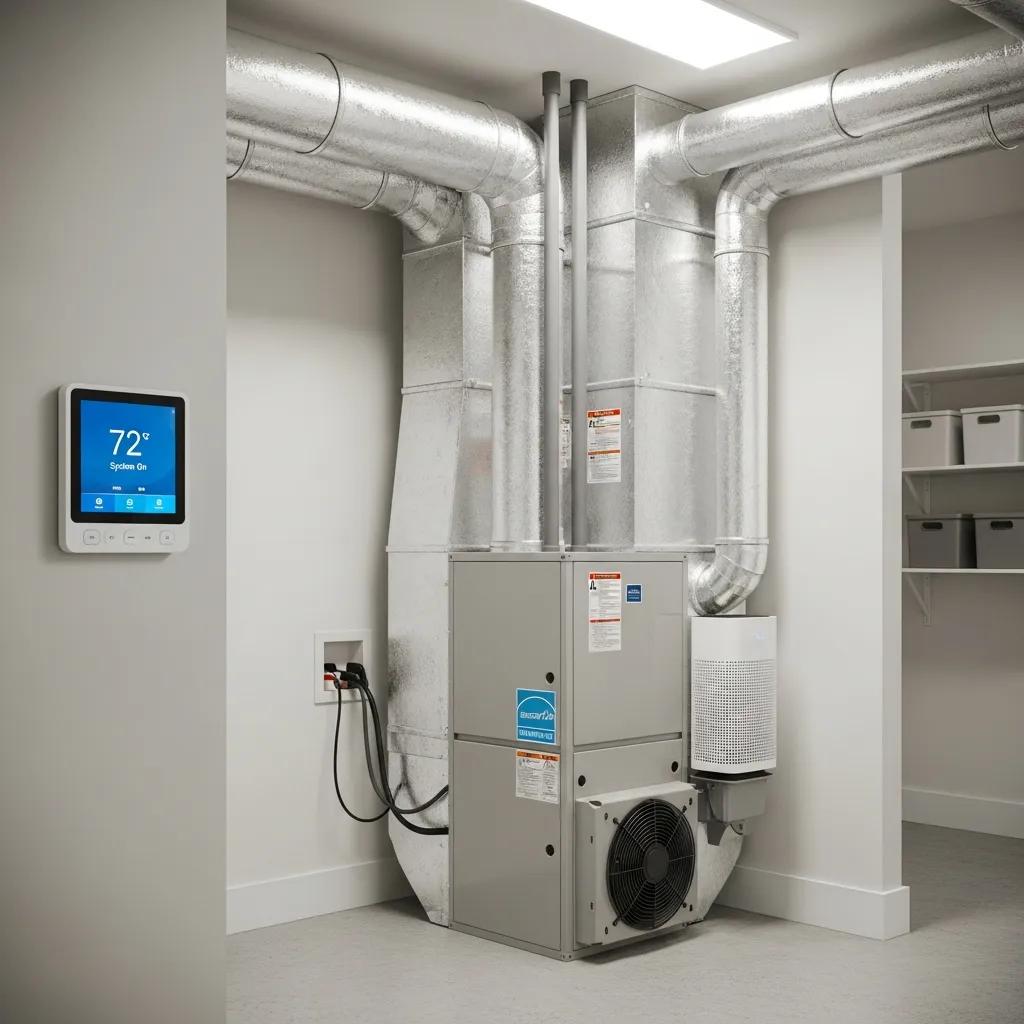
Choosing Energy‑Efficient Appliances for Your Home: Save Energy
Energy efficiency matters for homeowners who want to lower utility bills and shrink their environmental footprint. Choosing energy‑efficient appliances can reduce electricity use and make your home more comfortable. This guide walks you through the advantages of efficient HVAC systems, why a home energy audit helps, how to read heat pump efficiency ratings, and financing options that can make upgrades fit your budget.
What Are the Benefits of Energy Efficient HVAC Systems?
Energy‑efficient HVAC systems use less power while delivering the same heating and cooling you expect — which usually means lower bills. These modern systems are designed to optimize energy consumption, ensuring your home stays comfortable without excessive energy waste.
They can also improve indoor air quality by integrating advanced filtration systems and reduce your home’s greenhouse gas emissions, contributing to a healthier environment. The long-term environmental benefits extend beyond your property, making a positive impact on the community.
These systems are better at keeping temperatures steady across your home, so you’ll notice fewer hot or cold spots. This consistent temperature control eliminates uncomfortable fluctuations, enhancing overall living comfort. Investing in efficient equipment is a practical way to boost comfort and reduce long‑term energy use, providing a significant return on investment over the lifespan of the system.
| System Type | Efficiency Rating | Annual Savings |
|---|---|---|
| Energy-Efficient Heat Pumps | 15 SEER or higher | Significant savings |
| High-Efficiency Furnaces | 90% AFUE or higher | Notable savings |
| Smart Thermostats | N/A | Considerable savings |
Dunham Service installs and supports energy‑efficient HVAC options like heat pumps and smart thermostats to help you stay comfortable while saving energy. Our experts can guide you through selecting the best system for your specific needs and budget.
How Do Energy Efficient Heat Pumps Improve Home Comfort and Savings?
Energy‑efficient heat pumps both heat and cool your home, so they’re a flexible choice for year-round climate control. Unlike traditional furnaces and air conditioners, they don’t generate heat through combustion; instead, they move heat in or out of your house, which uses significantly less energy. This innovative technology makes them incredibly efficient.
By transferring heat rather than creating it, heat pumps can provide consistent temperatures with minimal energy input. This process not only reduces your carbon footprint but also translates directly into lower monthly utility bills. Their dual functionality means you only need one system for both heating and cooling, simplifying maintenance and saving space.
High‑efficiency heat pumps have stronger SEER (Seasonal Energy Efficiency Ratio) ratings, which means better performance and lower operating costs over time. These ratings are crucial indicators of a unit’s energy consumption. That makes them a smart long‑term investment for comfort and savings, offering reliable performance and substantial financial benefits for years to come.
How Can a Home Energy Audit Help You Reduce Electricity Bills?
A home energy audit pinpoints where your house is losing energy. With those findings you can take targeted steps to stop drafts, add insulation, or upgrade equipment — all of which cuts electricity costs. This comprehensive assessment provides a clear roadmap for improving your home’s energy performance.
By identifying specific areas of inefficiency, an energy audit empowers homeowners to make informed decisions about upgrades. It moves beyond guesswork, offering data-driven recommendations that lead to tangible reductions in energy consumption and, consequently, lower electricity bills. This proactive approach ensures that any investments in energy efficiency are well-placed and effective.
What Are the Main Benefits of Professional Home Energy Audits?
Professional home energy audits offer a multitude of benefits that go beyond simply identifying problems. They provide a structured and expert-driven approach to improving your home’s energy footprint, ensuring long-term savings and comfort.
- Comprehensive Assessment: Certified auditors use specialized tools like thermal cameras and blower door tests to find inefficiencies you might miss, from hidden air leaks to weak insulation. This thorough examination covers every aspect of your home’s energy envelope.
- Expert Recommendations: Auditors give practical, prioritized upgrades tailored to your home so you can decide what to do first. These recommendations are not generic but are specifically designed to address your home’s unique energy challenges, maximizing the impact of your improvements.
- Potential Savings: Making the recommended changes often leads to noticeable drops in your monthly energy bills. The investment in an audit typically pays for itself through reduced energy costs, making it a financially sound decision for any homeowner.
Those advantages show why a professional audit is a smart first step toward a more efficient home. It lays the groundwork for a comfortable, cost-effective, and environmentally friendly living space.
How Does a Home Energy Audit Identify Energy Inefficiencies?
Professional energy auditors employ a range of advanced techniques and equipment to accurately diagnose energy inefficiencies within your home. These methods provide precise data that helps in formulating effective solutions.
- Thermal Imaging: Thermal cameras reveal temperature differences in walls and ceilings so you can see where heat is escaping or entering. This visual representation of heat loss makes it easy to pinpoint areas needing insulation or sealing, even those not visible to the naked eye.
- Blower Door Tests: These tests measure air leakage and help find drafts and gaps that need sealing. By depressurizing your home, a blower door test exaggerates air leaks, allowing auditors to locate and quantify them accurately.
Using these methods, auditors deliver a clear report on your home’s energy performance and recommend specific fixes. This detailed report serves as a valuable guide for homeowners, outlining the most impactful improvements to pursue.
What Should You Know About Heat Pump Efficiency Ratings?
Understanding heat pump efficiency ratings helps you compare models and make an informed purchasing decision. These ratings are standardized metrics that indicate how effectively a heat pump converts energy into heating or cooling. Familiarizing yourself with them is key to selecting a system that will perform optimally in your climate.
Two common metrics are SEER (Seasonal Energy Efficiency Ratio) for cooling and COP (Coefficient of Performance) for heating. While SEER focuses on the cooling aspect, COP provides insight into the heating performance. Higher numbers in both ratings mean better efficiency, lower operating costs, and bigger savings over time, making them crucial factors in your selection process.
How Do SEER2 and COP Ratings Affect Heat Pump Performance?
SEER2 and COP are useful indicators of how a heat pump will perform in real conditions, reflecting its energy consumption under various operational scenarios. A higher SEER2 means the unit uses less energy to cool your home, especially during peak summer months; a higher COP means it will heat more efficiently, providing warmth with less electricity during colder periods.
For example, a heat pump with a SEER2 of 20 will use noticeably less electricity than one rated 14, which lowers your utility bills significantly over its lifespan. These differences in ratings can translate to significant annual savings. Homeowners should favor higher ratings to maximize long‑term savings and ensure optimal comfort with reduced energy expenditure.
Understanding these ratings also helps in evaluating the overall value of a heat pump, considering both its upfront cost and its long-term operational expenses. Investing in a higher-rated unit often leads to greater satisfaction and financial benefits.
What types of heat pumps offer the best energy efficiency?
- Air Source Heat Pumps: Common and effective in moderate climates; they move heat between your home and the outside air. These are versatile and widely adopted for their balance of efficiency and cost-effectiveness.
- Geothermal Heat Pumps: Use the earth’s steady temperature for heating and cooling, delivering top efficiency and lower operating costs, especially in extreme climates. While they have a higher initial installation cost, their operational savings are substantial and consistent.
- Ductless Mini-Split Systems: Great for homes without ductwork — they heat and cool specific rooms with high efficiency and flexibility. These systems allow for zone control, meaning you only heat or cool the areas you are using, further enhancing energy savings.
Each option has pros and trade‑offs; the best choice depends on your home, local climate, and specific heating and cooling needs. Consulting with an HVAC professional can help determine the ideal system for your property.
How Can You Afford Energy Efficient Appliances and HVAC Upgrades?
Upgrading to energy‑efficient appliances and HVAC can cost more up front, but financing, rebates, and tax incentives can make those improvements manageable. It’s important to look beyond the initial price tag and consider the long-term savings and available financial assistance.
Many utilities offer rebates for installing qualifying energy-efficient equipment, directly reducing your purchase price. Additionally, federal or state programs may provide tax credits to encourage energy-saving upgrades, further offsetting the cost. These incentives are designed to make sustainable choices more accessible and affordable for homeowners.
What Financing and Incentive Programs Are Available for Energy Efficient Upgrades?
A variety of financial programs exist to help homeowners invest in energy-efficient upgrades, making these improvements more attainable. These programs aim to reduce the financial burden and encourage widespread adoption of sustainable technologies.
- Low-Interest Loans: Lenders often offer loans specifically for energy upgrades with terms designed to ease the upfront cost. These specialized loans typically have more favorable interest rates and repayment schedules than standard personal loans, making large investments more manageable.
- Rebate Programs: Local utilities may give rebates for certified energy‑efficient appliances, lowering your purchase price. These rebates can be substantial, often ranging from notable to substantial financial benefits, depending on the appliance and your location.
- Tax Credits: You might qualify for federal tax credits for items like heat pumps or insulation, which reduce your tax bill. These credits are a direct reduction of the amount of tax you owe, providing a significant financial benefit for making energy-conscious choices.
These programs can substantially lower the initial cost of switching to efficient systems, transforming what might seem like a daunting expense into a smart, affordable investment. Researching available programs in your area is a crucial step.
How Do Local Rebates and Federal Tax Credits Reduce Upgrade Costs?
Local rebates and federal tax credits work in tandem to cut the overall price of energy‑efficient upgrades, making them more accessible to a wider range of homeowners. These financial incentives are designed to stimulate investment in sustainable home improvements.
For example, you might get a notable rebate for installing a qualifying heat pump from your local utility company, which is applied directly at the point of sale or after installation. In addition to this, federal tax credits can cover a portion of the equipment and installation costs, further reducing your out-of-pocket expenses when you file your taxes. These combined savings can significantly diminish the financial barrier to upgrading.
Taking advantage of these incentives makes efficient upgrades more affordable and helps you save on energy bills for years to come. It’s a win-win situation where you improve your home’s efficiency, reduce your environmental impact, and benefit from substantial financial relief.
Conclusion
Choosing energy‑efficient appliances and HVAC systems lowers your utility bills, improves comfort, and reduces environmental impact. By learning about efficient heat pumps, scheduling a home energy audit, and exploring financing and incentives, you can make smart, affordable upgrades. Ready to improve comfort and start saving? Explore our HVAC and appliance solutions or contact us to get started.