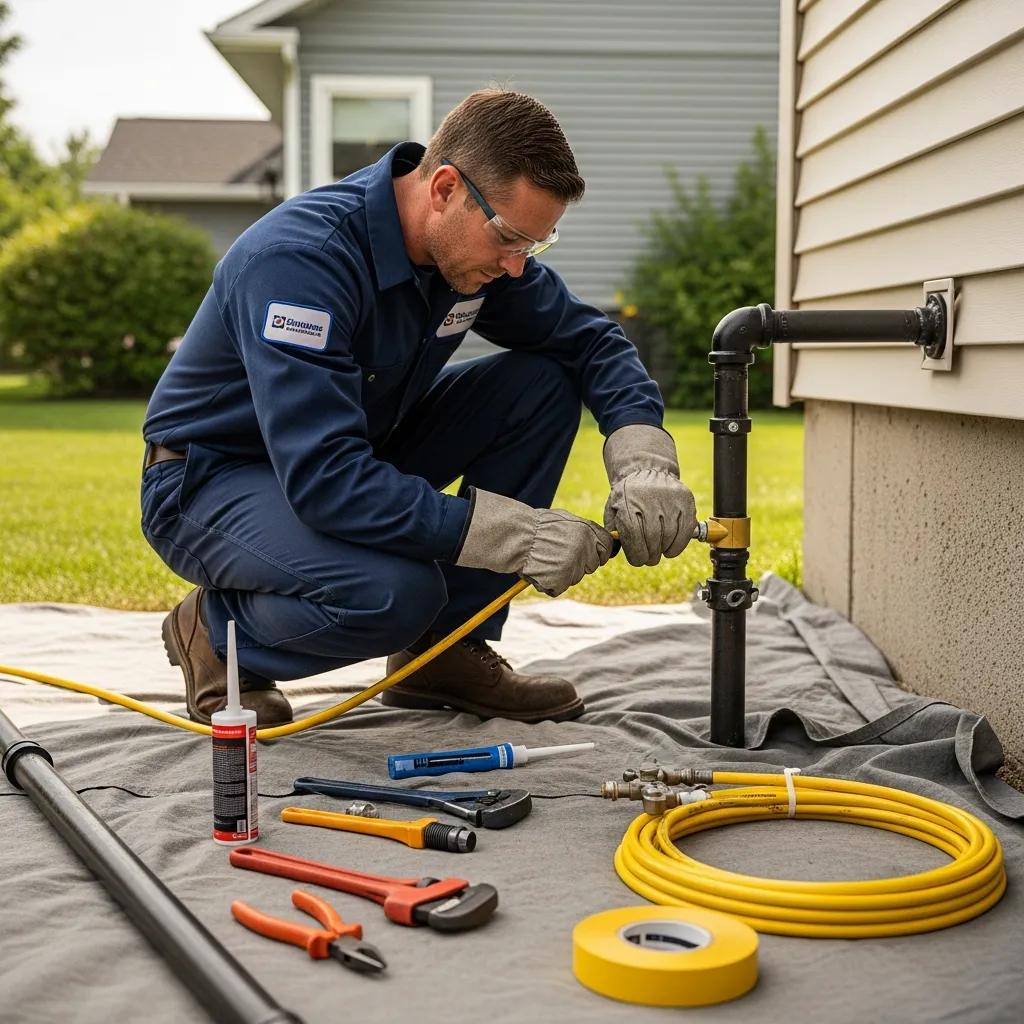
Safe & Reliable Gas Line Installation & Repair Services in Nashville, MI
Gas line installation and repair are essential services that protect the safety and performance of gas systems in homes and businesses. Proper installation and routine maintenance prevent leaks, ensure compliance with safety codes, and keep gas appliances operating reliably. This article outlines safety measures, the installation process, warning signs that indicate repair is needed, and the gas line services Dunham Service provides in Nashville, MI.
How Do Licensed Gas Line Installers Ensure Safety and Compliance?
Licensed gas line installers ensure safety by following established codes and regulatory standards. They perform systematic inspections to identify hazards, verify proper materials and connections, and use proven leak-detection techniques. These practices reduce risk for occupants and protect the integrity of residential and commercial gas systems.
In practice, installers document each step of the work: material selection, joint preparation, pressure testing and final verification. That documentation supports permit approvals and creates a traceable record should future work or inspections be required. Installers also often provide homeowners with basic safety guidance after each job, including how to recognise smell changes and when to schedule follow-up checks.
What Certifications and Licensing Should You Expect from Gas Line Professionals?
When hiring gas line professionals, confirm they hold the required licenses and relevant certifications. Credentials from recognised bodies—such as the NFPA and AGA—indicate formal training and knowledge of safety protocols. Local licensing requirements vary, so verify compliance with your municipality before work begins to ensure installations meet applicable standards.
Ask contractors to present proof of insurance and details of any continuing education or manufacturer-specific certifications for equipment they install. Experienced teams will be able to explain the practical implications of certification—how it shapes their testing procedures, material choices and documentation practices—and provide copies of recent permit approvals or inspection reports from comparable jobs.
How Does Dunham Service Maintain Safety Standards in Gas Line Installation?
Dunham Service follows local safety codes and industry best practices to minimise leak risk and maintain system integrity. Their licensed technicians are trained to handle diverse installation scenarios and to execute work that meets regulatory requirements. Prioritising these standards gives you confidence that installations are completed safely and correctly.
The company also typically performs post-installation verification including pressure testing, visual inspections, and appliance checks where applicable. They can walk customers through the test results and explain the remedial steps taken if any anomalies are discovered. Clear communication about warranty terms and recommended maintenance schedules further supports long-term safety and reliability.
What Are the Steps Involved in New Gas Line Installation?
The process of new gas line installation follows defined stages to maintain safety and efficiency. Each stage is designed to identify risks early, select appropriate materials, and ensure a reliable final connection to your gas supply.
- Initial Assessment: A thorough evaluation of the property to determine the best location for the gas line and identify any potential obstacles.
- Planning and Design: Developing a detailed plan that outlines the installation process, including the type of materials to be used and the layout of the gas line.
- Installation: The actual installation of the gas line, which involves digging trenches, laying pipes, and connecting to existing gas systems.
- Final Inspection: Conducting a comprehensive inspection to ensure that the installation meets all safety standards and regulations.
Following these steps helps installers deliver a safe, compliant, and dependable gas line installation for your property.
Each stage may include sub-steps such as underground utility locating, coordinating with local inspectors, and re-routing to avoid landscaping or structural features. During planning the installer will advise on pipe materials (for example, flexible CSST versus rigid black iron or polyethylene for outdoor mains), the expected timeline, and temporary safety measures while the work is in progress. Proper sequencing reduces rework and shortens disruption to occupants.
How Is the Gas Line Installation Process Conducted in Nashville, MI?
In Nashville, MI, installations are performed in line with local codes and permit requirements. Technicians assess the property to select the most efficient route, obtain necessary permits, and schedule inspections. The work is planned to limit disruption to your property, and a final inspection confirms the system is safe and operational.
Local permit offices in Michigan often require specific documentation such as site plans, manufacturer data, and the installer’s license details. Dunham Service typically coordinates directly with permitting authorities to reduce scheduling delays and will inform the property owner of any actions needed to prepare the site—for example, clearing vegetation or marking private utilities. Good coordination also ensures the inspection can occur promptly once work is completed.
What Local Permits and Inspections Are Required for Gas Pipe Installation?
Before installing a gas line, several local permits and inspections are typically required. These may include:
- Building Permit: Required for any construction work, including gas line installation.
- Gas Line Permit: Specific to gas line installations, ensuring compliance with safety regulations.
- Inspections: Local authorities may require inspections at various stages of the installation process to ensure adherence to safety codes.
Working with licensed professionals who know local permitting procedures helps ensure all required permits and inspections are completed correctly and on time.
Permit processes can affect project timing and costs, so a detailed estimate from your chosen contractor should list permit fees and the expected number of inspections. If a permit requires modifications after an inspection, the installer should provide a clear plan and cost estimate for remedial work. Maintaining copies of final permits and inspection sign-offs is useful for resale or future servicing.
How Can You Identify the Need for Gas Pipe Repair Near Me?
Identifying the need for gas pipe repair protects occupants and property. Common warning signs include a persistent gas odour, activation of a carbon monoxide alarm, or visible damage to piping. Any of these signs warrants an immediate inspection by a licensed gas professional.
Beyond immediate hazards, other indicators that suggest repair or a closer inspection are needed include unusual deterioration at exposed joints, recurring appliance performance issues, and evidence of ground disturbance near buried lines. If you notice any of these signs, document the condition (photos, dates and times) and avoid using potential ignition sources until a professional confirms the system is safe.
What Are Common Signs of Gas Line Damage or Leaks?

Recognising gas line damage or leaks is critical for safety. Typical indicators include the distinctive rotten-egg odour added to natural gas, recurring pilot light failures on appliances, and unexpected increases in energy bills that may signal a leak.
- Gas Odor Detection: A distinct smell similar to rotten eggs is often added to natural gas for safety and indicates a leak.
- Pilot Light Issues: If the pilot light on your gas appliances frequently goes out, it may signal a problem with the gas line.
- Increased Energy Bills: A sudden spike in energy costs may indicate a gas leak, as appliances may be working harder to compensate for lost gas.
Awareness of these signs enables prompt action and reduces the chance of more serious incidents.
Additional visual signs can include dust or soil blowing from the ground near a buried line, dead or dying vegetation in an otherwise healthy area (caused by displaced soil or escaping gas), or bubbling in standing water near a line. If you suspect any of these, avoid open flames and sources of ignition, ventilate the area if safe to do so, and contact a qualified technician immediately.
When Should You Schedule Emergency Gas Line Repair Services?
Request emergency repair services immediately if you detect a persistent gas odour, if your carbon monoxide alarm sounds, or if there is visible damage to critical components such as a heat exchanger. Evacuate the area if necessary and contact emergency responders when a strong gas smell is present.
- Persistent Smell of Gas: If you detect a strong gas odor, evacuate the area and contact emergency services.
- Carbon Monoxide Detector Alarm: An alarm indicates a potential gas leak or malfunctioning appliance, requiring urgent attention.
- Visible Cracks in the Heat Exchanger: Damage to the heat exchanger can lead to gas leaks and should be addressed immediately.
Prompt intervention reduces risk to people and property and restores safe operation faster.
When calling for emergency service, provide precise details: the nature of the smell, any unusual appliance behaviour, the presence of vulnerable occupants (children, elderly, pets) and any temporary actions you have taken. This information helps the dispatcher prioritise response and allows the technician to bring appropriate detection equipment and replacement parts to the site.
What Are the Costs Associated with Gas Line Installation and Repair?
Costs for gas line work vary depending on the scope of the job, materials selected, and regional labour rates. New installations are typically more expensive than repairs, and specialised materials or complex routing can increase the total cost.
- Type of Installation: New installations may cost more than repairs due to the complexity involved.
- Materials Used: The type of materials selected for the gas line can impact overall costs.
- Labor Costs: Professional installation and repair services come with labor costs that vary by region and provider.
Understanding these cost drivers helps you budget accurately and compare quotes from qualified contractors.
| Service | Cost | Description |
|---|---|---|
| New Gas Line Installation | Varies based on length and complexity | Cost depends on installation size and complexity. |
| Gas Line Repair | Varies depending on damage extent | Repair costs depend on the extent of the damage. |
| Emergency Gas Line Repair | Higher due to urgent service | Costs increase with urgency and complexity. |
This table offers a general cost overview to help you make informed decisions when planning gas line work.
When collecting estimates, request a written breakdown showing labour, materials, permit fees and any restoration work such as trench backfill and surface repair. Compare not only price but also included services—warranty terms, emergency response windows and whether the contractor will manage permit applications and inspections. Cheaper initial quotes can sometimes lead to higher costs later if work is not completed to code or if hidden repairs emerge.
How Is Gas Pipe Installation Cost Determined?
Installation cost is influenced by the installation size, the selected pipe type (flexible versus rigid), and labour rates. Larger or more complex projects require additional materials and time, which increases the overall price.
- Size of Installation: Larger installations typically require more materials and labor, increasing costs.
- Type of Gas Line: Different types of gas lines (e.g., flexible vs. rigid) can affect pricing.
- Labor Costs: The experience and rates of the professionals performing the installation can vary significantly.
Knowing these variables lets you evaluate estimates and plan for the full scope of the project.
Site conditions also affect cost. Working in rocky soil, under paved driveways, or through finished landscaping usually increases labour and equipment needs. Accessibility influences whether special equipment (such as trenchers or directional boring rigs) is necessary. Ask your installer to provide alternatives when possible—for example, using an above-ground route for a short span or exploring different pipe materials that meet code but better fit your budget.
Are Emergency Gas Line Repairs Covered by Insurance?
Coverage for emergency gas line repairs depends on your homeowner policy. Many policies cover sudden, accidental damage, but exclusions and limits vary. Review your policy and consult your insurer to verify coverage and understand any deductible or claim requirements.
If you plan to file a claim, document the event with photos and keep copies of all invoices and inspection reports. Some insurers may require immediate mitigation steps (such as shutting off the gas and arranging temporary repairs) to limit further damage; your policy or agent can clarify these obligations. Working with a licensed contractor who can supply professional reports and repair documentation simplifies the claims process.
What Emergency Gas Line Repair Services Are Available in Nashville, MI?

Emergency gas repair services in Nashville, MI, typically include 24/7 response, professional leak detection using advanced tools, and repair or replacement of damaged lines. These services are designed to restore safety quickly and reduce downtime for your property.
- 24/7 Emergency Response: Many providers offer round-the-clock service to address gas leaks and other emergencies.
- Leak Detection Services: Advanced technology is used to identify and locate gas leaks quickly.
- Repair and Replacement Services: Professionals can repair damaged lines or replace them as needed to ensure safety.
Access to dependable emergency services is essential to protect occupants and limit property damage.
Emergency teams also coordinate with local utilities and inspectors when necessary, ensuring the repair is completed to code and that service is restored only after authorities have approved the work. Ask your provider how they document emergency responses and whether they provide follow-up inspections or temporary safety fixes until permanent repairs can be scheduled.
How Does Dunham Service Respond to Gas Line Emergencies?
Dunham Service follows established emergency protocols to prioritise safety and speed. After an initial assessment, they dispatch qualified technicians to the site, provide clear communication throughout the process, and work to secure the area and resolve the issue promptly.
Their emergency response typically includes an on-site risk assessment, immediate measures to eliminate ignition sources, pressure testing and temporary or permanent repairs as required. They will also advise on post-repair monitoring and recommended timing for a full system inspection to confirm long-term reliability.
What Safety Protocols Are Followed During Emergency Repairs?
During emergency repairs, technicians follow a standard set of safety steps to protect people and property. These steps include testing safety controls, inspecting for hazards, and keeping customers informed of findings and next steps.
- Testing Safety Controls: Technicians check all safety controls to ensure they are functioning correctly before proceeding with repairs.
- Inspection for Hazards: A thorough inspection is conducted to identify any potential hazards in the area.
- Clear Communication: Technicians maintain open communication with customers, providing updates and instructions throughout the repair process.
Adhering to these protocols ensures emergency repairs are carried out safely and effectively.
Technicians also follow personal protective equipment (PPE) guidelines and use calibrated detection instruments. When work requires temporary interruption of service, they coordinate with building occupants to minimise impact and explain any temporary restrictions on appliance use until a full system check is completed.
What Commercial Gas Line Services Does Dunham Service Provide?
Dunham Service provides commercial gas line solutions including professional installation, scheduled inspections, and prompt repair services. Their offerings are tailored to maintain uninterrupted operations and to meet applicable commercial safety standards.
- Installation Services: Professional installation of gas lines for commercial properties, ensuring compliance with safety regulations.
- Inspection Services: Regular inspections to identify potential issues and ensure ongoing safety.
- Repair Services: Prompt repair services to address any gas line issues that may arise.
Comprehensive commercial services help businesses maintain safe, code-compliant gas systems and minimise operational disruption.
Commercial clients often receive customised service agreements that include priority response times, scheduled preventative maintenance and documentation suitable for auditors or insurance reviews. These agreements can be scaled to cover single-site businesses or multi-location operations and commonly include periodic testing and calibration of commercial gas equipment to preserve performance.
How Are Commercial Gas Line Installations Different from Residential?
Commercial gas installations are generally larger and more complex than residential systems. They may be subject to different regulations and require customised solutions to meet a business’s operational needs and code requirements.
- Installation Complexity: Commercial installations often involve larger systems and more complex configurations.
- Regulatory Differences: Commercial properties may be subject to different regulations and codes than residential properties.
- Service Requirements: Businesses may have unique service requirements based on their operations, necessitating specialized solutions.
Recognising these distinctions ensures the chosen design and installation meet a commercial property’s performance and compliance needs.
Examples of commercial-specific considerations include gas supply redundancy for critical operations, higher-capacity meters, complex appliance manifolds, and flame safeguard controls. These components require coordination with mechanical contractors, local authorities and sometimes insurance underwriters to ensure all operational and safety requirements are satisfied.
What Maintenance and Repair Options Are Offered for Businesses?
Dunham Service offers routine maintenance, rapid emergency repairs, and indoor air quality solutions to help businesses keep gas systems safe and efficient. These options reduce the likelihood of unexpected outages and extend equipment life.
- Routine Maintenance: Regular inspections and maintenance services to prevent issues before they arise.
- Emergency Repairs: Quick response services for urgent gas line issues to minimize downtime.
- Indoor Air Quality Solutions: Services aimed at improving indoor air quality, which can be affected by gas appliances.
Comprehensive maintenance and repair options help businesses protect employees, customers, and assets while optimising system performance.
Maintenance contracts can include periodic leak detection surveys, pressure tests, and clearance of ventilation paths for combustion appliances. These scheduled services reduce the chance of emergency interruptions and help businesses budget for predictable service costs rather than responding only after a failure occurs.
How Does Dunham Service Support Customers with Financing Options?
Dunham Service recognises that gas line work can represent a significant expense. To assist customers, they offer flexible payment plans, financial assistance programs, and dedicated support to explain options and guide you through the process.
- Flexible Payment Plans: Options that allow customers to spread the cost of services over time.
- Financial Assistance Programs: Programs designed to help customers access necessary services without financial strain.
- Customer Support: Dedicated support to guide customers through the financing process and answer any questions.
These financing choices make it easier for you to address safety and compliance needs without undue financial strain.
When evaluating financing options, examine the total cost over the repayment period and any fees associated with deferred payments. Providers often outline multiple plans so you can choose the one that best matches your cash flow and urgency. Ask your service provider for a written summary of financing offers and any conditions tied to warranties or service guarantees.
What HVAC Financing Options Are Available for Gas Line Services in Nashville, MI?
In Nashville, MI, several HVAC financing options may be available for gas line work. Typical options include low-interest loans, deferred payment plans, and incentive programs for energy-efficient upgrades.
- Low-Interest Loans: Financing solutions that offer low-interest rates for gas line installation and repair.
- Deferred Payment Plans: Plans that allow customers to defer payments for a specified period.
- Incentive Programs: Local or state programs that provide financial incentives for energy-efficient upgrades, including gas line services.
Reviewing available financing and incentive programs helps you choose the most cost-effective path for required work.
Before committing to an incentive or rebate program, confirm eligibility criteria and whether the work requires pre-approval. Some incentive programs ask for specific equipment or installation methods. Your contractor can often advise on program compatibility and may assist with the paperwork needed to claim any available incentives after the work is complete.
How Can Financing Improve Access to Safe Gas Line Installation and Repair?
Financing removes upfront cost barriers, making it easier for homeowners and businesses to prioritise safety and compliance. Flexible payment options encourage timely repairs and installations, which reduces long-term risk and potential repair costs.
By spreading costs over time, financing can prevent delays that allow small issues to worsen into emergencies. When choosing a financing plan, balance monthly affordability with the value of completing safety-critical work promptly. Keep documentation of financed repairs and any warranties in a safe place for future reference.
What Are Best Practices for Gas Line Safety and Inspection?
Maintaining safe gas systems requires regular inspections, effective leak detection, and strict adherence to code. These practices detect problems early and ensure repairs and installations meet regulatory standards.
- Regular Inspections: Schedule routine inspections to identify potential issues before they escalate.
- Leak Detection: Utilize advanced leak detection methods to monitor gas lines for any signs of leaks.
- Code Compliance: Ensure that all installations and repairs comply with local safety codes and regulations.
Following these best practices helps property owners keep gas systems safe, efficient, and code-compliant.
Additionally, maintain records of all inspections, repairs and replacement parts. These records support maintenance planning and can be helpful when selling a property or when an insurance company requests proof of maintenance. If your property undergoes renovations, involve your gas installer early to advise on any necessary modifications to existing gas infrastructure.
How Often Should Gas Line Safety Inspections Be Conducted?
Schedule gas line inspections at least once a year as a baseline. Properties with older lines or a history of issues may require more frequent checks. Regular assessments allow for timely maintenance and reduce the likelihood of emergency repairs.
Inspect more often if you experience recurring issues, after severe ground movement or construction work near buried lines, or when adding high-demand appliances that change system load. Your installer can recommend a customised inspection schedule tied to property age, appliance type and historical findings.
What Are Key Safety Tips to Prevent Gas Line Issues?
To reduce the risk of gas line problems, keep to a regular maintenance schedule, remain alert for warning signs such as unusual odours or appliance malfunctions, and have an emergency plan that includes when to contact professionals.
- Regular Maintenance: Schedule routine maintenance to keep gas systems in optimal condition.
- Awareness of Signs: Be vigilant for signs of gas leaks, such as unusual odors or appliance malfunctions.
- Emergency Preparedness: Have a plan in place for responding to gas leaks or emergencies, including knowing when to contact professionals.
Applying these safety tips helps you maintain a safer environment and respond effectively if issues occur.
Other practical measures include keeping utility access clear, ensuring ventilation for areas with combustion appliances, and avoiding untrained DIY work on gas fittings. If you plan landscaping or digging, always call your local utility-locate service before you start to prevent accidental damage to buried lines.
Considering a heat pump replacement? It is a major upgrade that can improve your home’s comfort and energy efficiency. Correct installation is essential to achieve reliable performance and long-term savings. Discuss with your installer how any changes to heating systems affect gas usage or whether pipe sizing or routing must be adjusted during the upgrade.
Looking for Reliable Heat Pump Services?
If you are planning a heat pump installation, choose a provider with proven installation practices. Proper setup, routine maintenance, and timely repairs preserve efficiency and extend the system’s service life.
When selecting a contractor for a heat pump project, request references from similar installations and ask about post-installation support. Integrated service providers who handle both HVAC and gas infrastructure can streamline coordination and reduce the number of trades on site, which simplifies permits and scheduling.
Experiencing issues with your heat pump? Arrange timely heat pump repair services to diagnose problems early and avoid larger failures. A qualified technician can identify the root cause and recommend the most cost-effective solution.
Contact Dunham Service for Expert Gas Line Solutions Today
Maintaining safe, code-compliant gas lines is essential for both homes and businesses. By selecting licensed professionals like Dunham Service, you gain expert knowledge, adherence to safety regulations, and clear communication throughout the project. Do not delay necessary inspections or repairs—prioritise your gas line safety and contact Dunham Service to discuss your options and schedule an assessment. Get in Touch.